
Missing a dose of clonazepam happens to almost everyone who takes it for any length of time. A busy morning, a changed routine, a bottle left at home, and suddenly the usual time has come and gone. The worry that follows is understandable, because clonazepam acts on the nervous system and skipping it can feel like a bigger deal than missing an ordinary tablet. This blog covers what actually happens when a dose is missed, why timing matters, how the body responds, and the sensible steps to take without panicking or making the situation worse.
Key Takeaways
- Missing a single dose is common and usually manageable, not an emergency.
- Clonazepam’s long half-life means effects fade gradually rather than all at once.
- Symptoms from a missed dose can look like a return of anxiety or early withdrawal.
- Never double up to make up for a missed dose unless a prescriber says so.
- A steady dosing routine reduces the ups and downs the nervous system has to absorb.
- Repeated missed doses are worth raising with a prescriber, not managing alone.
Why a Missed Dose Feels Like Such a Big Deal
Clonazepam, sold under the brand name Klonopin, is a benzodiazepine prescribed for anxiety, panic disorder, and certain seizure conditions. It works by calming overactive signalling in the nervous system, which is why it can bring a noticeable sense of steadiness. When a dose is skipped, some of that steadying effect starts to ease off, and the contrast can be uncomfortable enough to set off worry about what comes next.
That worry is often the first thing people notice, and it can be hard to separate from any physical change. What happens when you miss a clonazepam dose depends partly on the body and partly on the mind, because anxiety about the lapse can produce the very symptoms someone is afraid of, which then seem to confirm that something is wrong. Understanding what the medication is actually doing in the body makes it much easier to respond calmly rather than react to the alarm.
The Role of Clonazepam’s Long Half-Life

Half-life describes how long it takes for half of a drug to clear the body. Clonazepam has a comparatively long one, often cited in the range of thirty to forty hours, which means it leaves the system slowly. Practically, that is reassuring. After a single missed dose, a meaningful amount of the medication is still present and working, so the drop is gradual rather than sudden.
This is quite different from shorter-acting benzodiazepines, where levels fall quickly, and a missed dose can be felt within hours. With clonazepam, changes may not appear until the following day, if at all. Anyone who wants to understand how the drug behaves over a full course of reduction can read more about the symptoms and timeline people tend to experience when tapering, which puts a single missed dose in the context of the wider picture. The long half-life is also one reason clonazepam is often described as more forgiving than faster benzodiazepines, though forgiving is not the same as risk-free, and the drug still deserves respect.
What You Might Actually Feel
What happens after missing a dose of clonazepam varies a great deal from person to person, and it depends on the dose, how long the medication has been taken, and individual physiology. Some people notice nothing at all after a single missed dose. Others feel a shift within a day. Commonly reported changes include:
- A return or increase in anxiety
- Restlessness or irritability
- Trouble sleeping
- Mild shakiness
- Difficulty concentrating
- Headache or general unease
These changes tend to be mild after one missed dose and usually settle once the normal schedule resumes. What deserves closer attention is anything severe, such as confusion or unusual physical symptoms, particularly for someone taking clonazepam to control seizures, where missed doses carry more risk and a prescriber should be contacted promptly.
It also helps to remember that the intensity of a reaction does not always track the length of time on the medication in the way people expect. Someone on a low dose for years might barely notice a missed tablet, while another person on a higher dose could feel a clear shift within a day. This is one of the reasons general advice can only go so far, and why the pattern that matters is the one observed over the person’s own experience rather than anyone else’s account.
Is It Withdrawal or Just a Return of Symptoms?
One of the more confusing parts of what happens if you forget to take clonazepam is telling apart two different things. The first is the return of the original symptoms the medication was managing, such as anxiety creeping back. The second is an early withdrawal response, where the nervous system reacts to the sudden absence of a drug it has adapted to. After a single missed dose, the two can look almost identical.
The distinction matters more over time than in a single instance. Occasional returns of anxiety after a missed dose are common and not a cause for alarm. A pattern of withdrawal-type symptoms appearing between doses can be a sign that the dosing schedule itself needs review, or that tolerance has shifted. That is a conversation for a prescriber rather than something to interpret alone.
What To Do Right After You Realize
Deciding what to do if you miss a dose of clonazepam starts with a simple rule: do not panic, because a single missed dose is rarely dangerous for most people. General guidance is that if the missed dose is remembered fairly soon, it can often be taken then. If it is already close to the next scheduled dose, the usual advice is to skip the missed one and continue as normal rather than doubling up.
Doubling a dose to compensate is the main thing to avoid, since it can lead to excess sedation and other unwanted effects. That said, dosing schedules and the right response vary between individuals, so the safest source of specific instruction is the prescribing clinician or pharmacist who knows the full history. When in doubt, a quick call to the pharmacy is better than guessing.
Why Consistent Dosing Makes Everything Smoother
The nervous system copes best with steadiness. Regular dosing keeps the level of medication relatively even, which limits the peaks and troughs that produce uncomfortable symptoms. Every missed dose introduces a dip that the body then has to absorb, and frequent dips make the whole experience feel more turbulent than it needs to be.
This principle matters even more during a planned reduction, where predictability is part of what makes the process tolerable. People who are tapering, or thinking about switching to a longer-acting benzodiazepine as described in the Ashton approach to converting clonazepam to diazepam, often find that a dependable routine does much of the quiet work. Simple habits such as pairing the dose with a daily anchor, or using a pill organizer, take most of the guesswork out of it.
When Missed Doses Become a Pattern
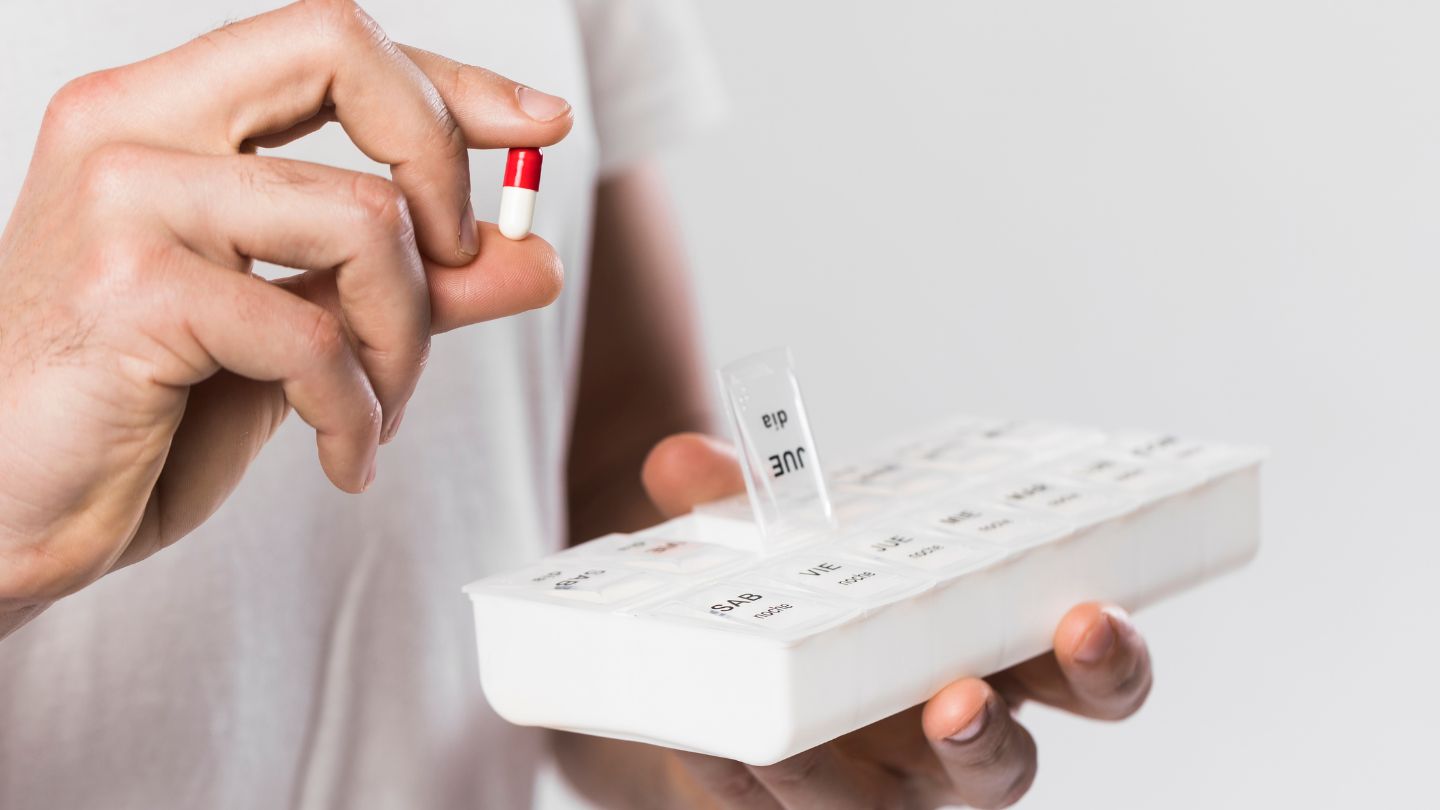
An occasional lapse is one thing. Regularly forgetting doses is worth taking seriously, both because it makes symptoms harder to predict and because it can quietly complicate a taper. Each missed dose followed by a resumed one creates a small swing, and a series of those swings can leave the nervous system feeling as though it never quite settles. Over time, that can be mistaken for the medication no longer working, when the real issue is inconsistency rather than the drug itself. If remembering is a persistent struggle, that is useful information for a prescriber rather than a personal failing to hide.
There are usually practical fixes. A simpler dosing schedule, a different time of day, alarms, or a change in how the medication is organized can all help. For anyone using clonazepam as part of a structured reduction, keeping doses consistent is one of the most reliable ways to keep the plan on track and the nervous system settled.
Planning Ahead Instead of Reacting
Most missed doses are minor events that resolve on their own once the routine resumes. Clonazepam’s long half-life gives a helpful cushion; symptoms after a single lapse are usually mild, and the sensible response is calm rather than corrective. Knowing the difference between a returning symptom and a genuine withdrawal signal, and never doubling up, covers most situations well.
Ashton Manual Guide publishes plain-language educational material grounded in the work of the late Professor C. Heather Ashton and the Ashton Manual. Readers who want to understand clonazepam withdrawal in more depth will find explanations here, along with educational planning tools including the clonazepam taper calculator, the Klonopin taper calculator, and the benzodiazepine taper calculator. Questions about anything covered above can be sent through the contact page on this site.
This calculator is an educational planning tool. It is not medical advice, and it is not a substitute for supervision by a physician who knows your history. Whether to taper, and how fast, are decisions for you and your prescriber. Never stop a benzodiazepine abruptly.