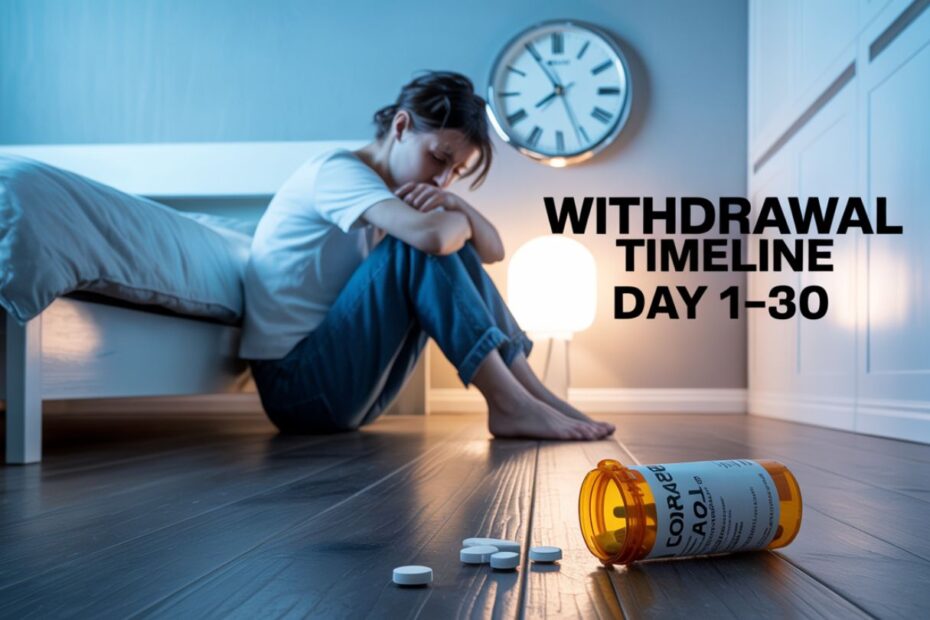
Lorazepam Withdrawal Symptoms Timeline and Detox Treatment: Complete Guide

Lorazepam Withdrawal Symptoms Timeline and Detox Treatment: Complete Guide

Lorazepam withdrawal can be a complex and potentially serious process, especially for individuals who have used the medication regularly over time. As the body adapts to its presence, reducing or stopping lorazepam may lead to a range of physical and psychological symptoms. Understanding how withdrawal develops, including its timeline and common effects, is essential for managing the process safely. This blog provides clear, research-based information on withdrawal phases, symptom patterns, and factors that influence recovery. It is designed to support informed decision-making while emphasizing gradual tapering and appropriate medical guidance to ensure a safer, more manageable withdrawal experience.

Key Takeaways

  • Lorazepam withdrawal symptoms can begin within 6-12 hours after the last dose due to the drug’s short half-life
  • The acute withdrawal phase peaks between days 3-7 with potentially dangerous physical and psychological symptoms
  • Medical detox with gradual tapering (5-10% dose reduction every 2-4 weeks) represents the safest treatment approach
  • Professional medical supervision prevents life-threatening complications, including grand mal seizures and psychosis
  • Recovery timeline varies significantly based on dosage, duration of use, age, and individual health factors

Understanding Lorazepam and Withdrawal Syndrome

Lorazepam (Ativan) belongs to the benzodiazepine class and works by enhancing the effects of gamma aminobutyric acid (GABA), the central nervous system’s primary inhibitory neurotransmitter. When lorazepam binds to GABA receptors, it increases chloride ion flow, producing sedation, reduced anxiety, and seizure suppression. This mechanism makes Ativan effective for anxiety disorders, insomnia, and acute seizure management.

Physical dependence develops when the brain adapts to constant lorazepam exposure by downregulating GABA receptors and upregulating excitatory glutamate systems. This differs from addiction (benzodiazepine use disorder), which involves compulsive drug-seeking behavior regardless of negative consequences. While less than 2% of prescribed users develop addiction, physical dependence occurs in the vast majority of patients taking lorazepam regularly beyond four weeks.

The FDA now requires boxed warnings on all benzodiazepine prescriptions because abrupt discontinuation causes dangerous rebound effects. When lorazepam suddenly disappears from the system, the previously suppressed excitatory pathways become hyperactive while GABA function remains compromised. This neurological imbalance produces the withdrawal syndrome, a constellation of physical withdrawal symptoms, psychological symptoms, and potentially dangerous complications.

Why Lorazepam Withdrawal Occurs

During long-term lorazepam use, the brain undergoes significant neuroadaptation. GABA receptors become less sensitive (tolerance development), requiring higher doses to achieve the same anxiolytic effect. Simultaneously, glutamate receptors increase in number and sensitivity, creating a hidden excitatory overdrive masked by the drug’s presence.

When Ativan use stops, this adapted nervous system suddenly loses its artificial inhibitory support. The result resembles removing the brakes from a car already rolling downhill; excitatory activity surges without adequate GABA suppression to counterbalance it. This explains why experiencing withdrawal symptoms often feels worse than the original anxiety the medication treated.

Lorazepam’s intermediate-to-short half-life (10-20 hours) accelerates this process. Unlike longer-acting benzodiazepines that clear slowly over days, lorazepam concentrations drop rapidly, causing withdrawal symptoms to emerge sooner and more intensely. Stopping Ativan cold turkey creates particularly severe fluctuations because blood levels plummet rather than declining gradually.

Lorazepam Withdrawal Timeline: Phase-by-Phase Breakdown

Lorazepam Withdrawal Timeline: Phase-by-Phase Breakdown

The Ativan withdrawal timeline follows a predictable pattern, though individual experiences vary considerably. Several factors influence timing: total daily dose, duration of use (months versus years), concurrent medications, age, liver function, and the presence of co-occurring psychiatric or seizure disorders.

Most individuals progress through three distinct phases. Early withdrawal begins within hours, the acute phase dominates the first one to two weeks, and protracted withdrawal may extend for months in chronic users. Understanding this withdrawal timeline helps you recognize where you are in the process and what symptoms to anticipate.

Early Withdrawal Phase (6-24 Hours)

Because lorazepam has a relatively short half-life, early symptoms often emerge within 6-12 hours after your last dose. During this phase, you may notice rebound anxiety, often more intense than your original anxiety symptoms, along with sleep disturbances, restlessness, and mounting psychological tension.

Physical symptoms during early withdrawal typically remain mild to moderate. You might experience increased blood pressure, slight tremors, and difficulty sleeping despite feeling exhausted. Some individuals report heightened anxiety and irritability that progressively intensifies as drug levels continue falling.

This phase represents the nervous system’s initial recognition that lorazepam is disappearing. The symptoms remain manageable for most people, but they serve as warning signals of the more challenging acute phase ahead. Medical professionals monitoring early withdrawal watch for any signs suggesting complicated progression.

Acute Withdrawal Phase (Days 2-10)

The acute withdrawal phase brings peak symptom intensity, typically reaching maximum severity between days 3-7. This represents the most dangerous period when severe withdrawal symptoms, including seizures, hallucinations, and cardiovascular instability, can occur without proper medical supervision.

Common physical symptoms during the acute phase include:

  • Severe tremors and muscle tension
  • Rapid heartbeat and elevated blood pressure
  • Profuse sweating and temperature dysregulation
  • Abdominal cramps, nausea, and appetite loss
  • Headaches and generalized body aches

Psychological withdrawal symptoms often dominate patient experiences during this period. Panic attacks may occur spontaneously, sometimes multiple times daily. Severe anxiety reaches overwhelming intensity, and mood swings fluctuate rapidly between agitation, depression, and irritability. Many individuals experience difficulty concentrating, memory problems, and perceptual disturbances.

Days 3-4 typically present the greatest challenge. Seizure risk peaks during this window, particularly for those who stopped Ativan cold turkey or tapered too rapidly. Professional medical detox programs maintain heightened vigilance during these critical days.

Post Acute Withdrawal Syndrome (Weeks to Months)

Following the acute phase, many individuals enter a period of protracted withdrawal symptoms that can persist for weeks, months, or occasionally longer than a year. Post acute withdrawal syndrome (PAWS) primarily involves psychological symptoms rather than the dramatic physical manifestations of acute withdrawal.

Protracted withdrawal syndrome commonly includes:

Protracted withdrawal syndrome commonly includes:

  • Prolonged anxiety that fluctuates in intensity
  • Persistent sleep disturbances and insomnia
  • Cognitive difficulties, including difficulty concentrating and memory lapses
  • Mood fluctuations and depressive episodes
  • Reduced stress tolerance and emotional sensitivity

The duration of protracted withdrawal varies tremendously among individuals. Those who used high doses for extended periods may experience lingering symptoms for 6-12 months, while some report effects persisting 18 months or longer. FDA labeling acknowledges protracted withdrawal can extend “beyond 4-6 weeks up to 12 months or more.”

Understanding that these protracted symptoms represent ongoing neurological healing rather than new psychiatric illness helps patients persist through recovery. The brain requires substantial time to restore normal brain function after prolonged benzodiazepine exposure.

Complete Lorazepam Withdrawal Symptoms Guide

Ativan withdrawal symptoms span physical, psychological, and neurological domains. Recognizing the full spectrum helps you identify concerning developments requiring medical attention versus expected discomforts that will resolve with time.

  • Common physical symptoms: Include tremors (ranging from fine hand tremors to visible shaking), sweating, gastrointestinal upset (nausea, vomiting, abdominal cramps), muscle stiffness and cramps, heart palpitations, increased blood pressure, appetite suppression, and weight loss. These physical and psychological symptoms often occur simultaneously, compounding patient distress.
  • Psychological symptoms: Frequently prove more distressing than physical manifestations. Rebound anxiety typically exceeds pre-treatment anxiety levels. Panic attacks emerge without warning. Depression, irritability, and mood swings create emotional volatility. Many experience anhedonia, the inability to feel pleasure from normally enjoyable activities.
  • Neurological symptoms: Include dizziness, confusion, poor concentration, hypersensitivity to light and sound, perceptual distortions, and persistent headaches. Some individuals describe depersonalization or derealization, feeling disconnected from themselves or their surroundings.

Dangerous Withdrawal Symptoms Requiring Emergency Care

Certain severe withdrawal symptoms demand immediate emergency medical attention. These life-threatening complications can develop rapidly and require professional intervention:

  • Seizures represent the most feared benzodiazepine withdrawal complication. Grand mal seizures can occur without warning, particularly during days 2-7 of acute withdrawal. Any seizure activity requires emergency services regardless of duration.
  • Hallucinations and delirium indicate severe withdrawal syndrome. Visual, auditory, or tactile hallucinations suggest central nervous system destabilization requiring immediate medical treatment. Delirium involves confusion, disorientation, and agitation that may progress to life-threatening complications.
  • Psychosis, including paranoid delusions and severe perceptual disturbances, sometimes develops during complicated withdrawal. This psychiatric emergency requires inpatient stabilization.
  • Severe cardiovascular symptoms, including dangerously elevated blood pressure, arrhythmias, or chest pain, warrant emergency evaluation. The nervous system instability during withdrawal can produce serious complications affecting heart function.
  • Suicidal ideation may emerge during the intense psychological distress of withdrawal. Any thoughts of self-harm require immediate professional intervention.

Professional Detox Treatment Options

Professional medical detox provides the safest pathway through lorazepam withdrawal. Treatment settings include inpatient or outpatient programs, with selection based on individual risk factors, dosage history, and support system availability.

  • Inpatient medical detox: Offers 24/7 monitoring, immediate access to emergency interventions, and complete separation from drug access. This setting suits individuals with high seizure risk, a history of severe withdrawal, high-dose chronic users, concurrent psychiatric conditions, or inadequate home support systems. Medical professionals continuously monitor vital signs and neurological status.
  • Outpatient medical detox: Allows patients to remain home while attending regular appointments for monitoring and medication adjustments. This approach works best for lower-risk individuals: those on moderate doses, using for shorter durations, with stable psychiatric status and strong social support. However, even outpatient treatment requires professional medical supervision rather than attempting withdrawal alone.

Medical Tapering Protocols

Gradual tapering represents the gold standard for lorazepam withdrawal treatment. The 2025 ASAM guidelines recommend reducing doses by 5-10% every 2-4 weeks, allowing the nervous system to readjust incrementally rather than experiencing the shock of abrupt discontinuation.

Tapering schedules begin with stabilization on your current dose, followed by systematic reductions. Medical professionals may reduce more rapidly initially (sometimes 25-50% for those on very high doses) under close supervision, then slow the pace as doses decrease. The final reductions often prove most challenging, requiring smaller percentage decreases over longer intervals.

Many protocols involve crossover to longer-acting benzodiazepines like diazepam (Valium). Diazepam’s extended half-life (over 100 hours, including active metabolites) creates more stable blood levels, reducing the fluctuations that trigger withdrawal effects. Standard equivalency calculations guide this substitution: lorazepam 2mg roughly equals diazepam 10mg.

Supportive Care and Medications

Beyond tapering, comprehensive detox programs employ adjunctive medications and supportive therapies to manage specific symptoms:

  • Anticonvulsants such as gabapentin may be prescribed to reduce seizure risk and help manage anxiety symptoms during withdrawal. These medications provide alternative GABA modulation without benzodiazepine receptor activity.
  • Beta-blockers control autonomic symptoms, including rapid heartbeat, tremors, sweating, and elevated blood pressure. By blocking adrenaline effects, these medications reduce the physical manifestations of nervous system hyperactivity.
  • Sleep aids (non-benzodiazepine options) or sedating antidepressants address the severe difficulty sleeping that accompanies withdrawal. Restoring sleep helps the brain heal and reduces overall symptom burden.
  • Behavioral therapies, including cognitive-behavioral therapy, mindfulness training, and stress management techniques, address the psychological aspects of recovery. These approaches provide coping skills that reduce relapse risk and support long-term successful recovery.

Continuous monitoring using standardized assessment tools allows medical professionals to track symptom progression and adjust treatment accordingly. Facilities maintain protocols for immediate intervention if serious complications develop.

Factors Affecting Withdrawal Severity and Duration

Individual withdrawal experiences vary dramatically based on multiple factors affecting ativan withdrawal intensity and duration:

  • Dosage and frequency directly correlate with withdrawal severity. Higher daily doses and multiple daily doses produce more significant neuroadaptation, leading to more intense acute withdrawal symptoms and longer recovery timelines.
  • Duration of use influences both physical dependence depth and protracted withdrawal risk. Someone using lorazepam daily for years faces a more complex withdrawal than someone treated for weeks. Benzodiazepine dependence established over extended periods requires correspondingly longer tapering schedules.
  • Age and metabolism affect drug clearance and neurological resilience. Older adults typically metabolize lorazepam more slowly due to reduced liver function and may experience more pronounced cognitive symptoms during withdrawal. They also face increased fall risk during acute phases.
  • Concurrent medications and substances modify withdrawal presentation. Other central nervous system depressants complicate the picture, while certain medications may ease or worsen specific symptoms.
  • Medical comorbidities, including liver disease, kidney dysfunction, and pre-existing seizure disorders, increase complication risks. Psychiatric conditions like underlying anxiety disorders, depression, or PTSD may intensify psychological withdrawal symptoms or be revealed once medication masking effects resolve.

Final Thoughts

Lorazepam withdrawal is a multi-phase process that can involve a wide range of physical and psychological symptoms, from early discomfort to more severe complications during the acute phase. The withdrawal timeline varies for each individual, but gradual tapering under proper medical supervision remains the safest approach. Understanding symptom patterns, recognizing warning signs, and following a structured plan can significantly improve safety and support a smoother recovery journey.

At AshtonManualGuide, the focus is on providing reliable, research-based information on lorazepam withdrawal to support informed and safer decision-making. By emphasizing education and awareness, this resource helps individuals, caregivers, and healthcare professionals better navigate the withdrawal process with confidence and clarity. Contact us today to access trusted information and support for a safer and more informed withdrawal journey.

Frequently Asked Questions

What are the stages of lorazepam withdrawal?

Lorazepam withdrawal typically occurs in three stages: early withdrawal, acute withdrawal, and protracted withdrawal. Early symptoms begin within hours to a day after the last dose, followed by the acute phase where symptoms peak. Some individuals may then experience protracted withdrawal, where symptoms gradually improve but can persist for weeks or months.

How severe are lorazepam withdrawal symptoms?

The severity of lorazepam withdrawal symptoms can range from mild discomfort to serious complications. Common symptoms include anxiety, insomnia, tremors, and irritability, while severe cases may involve seizures, hallucinations, or significant psychological distress, especially if the medication is stopped abruptly.

Can the lorazepam withdrawal timeline vary by individual?

Yes, the lorazepam withdrawal timeline can vary widely between individuals. Factors such as dosage, duration of use, overall health, age, and metabolism all influence how quickly symptoms appear and how long they last.

Is medical supervision needed when getting off lorazepam?

Yes, medical supervision is strongly recommended when discontinuing lorazepam. A healthcare professional can guide a gradual tapering plan, monitor symptoms, and reduce the risk of serious complications, ensuring a safer and more manageable withdrawal process.